The three-day state visit summit in Washington, D.C., which concluded on September 25, 2026, produced a series of high-profile symbolic gestures and short-term economic reprieves, yet it left the most volatile technological and strategic rivalries between the United States and China largely unresolved. While both President Donald Trump and President Xi Jinping projected an image of “constructive strategic stability,” the substantive outcomes suggest a policy of managing friction rather than resolving its underlying causes.
The summit was marked by an unusual level of personal diplomacy. President Trump became the first U.S. president in more than 60 years to personally greet a non-papal foreign leader upon arrival at Joint Base Andrews. This departure from standard protocol set a tone of mutual respect that translated into several immediate, though narrow, agreements intended to ease economic pressure ahead of the 2027 calendar year.
Managed Economics and the Trade Truce
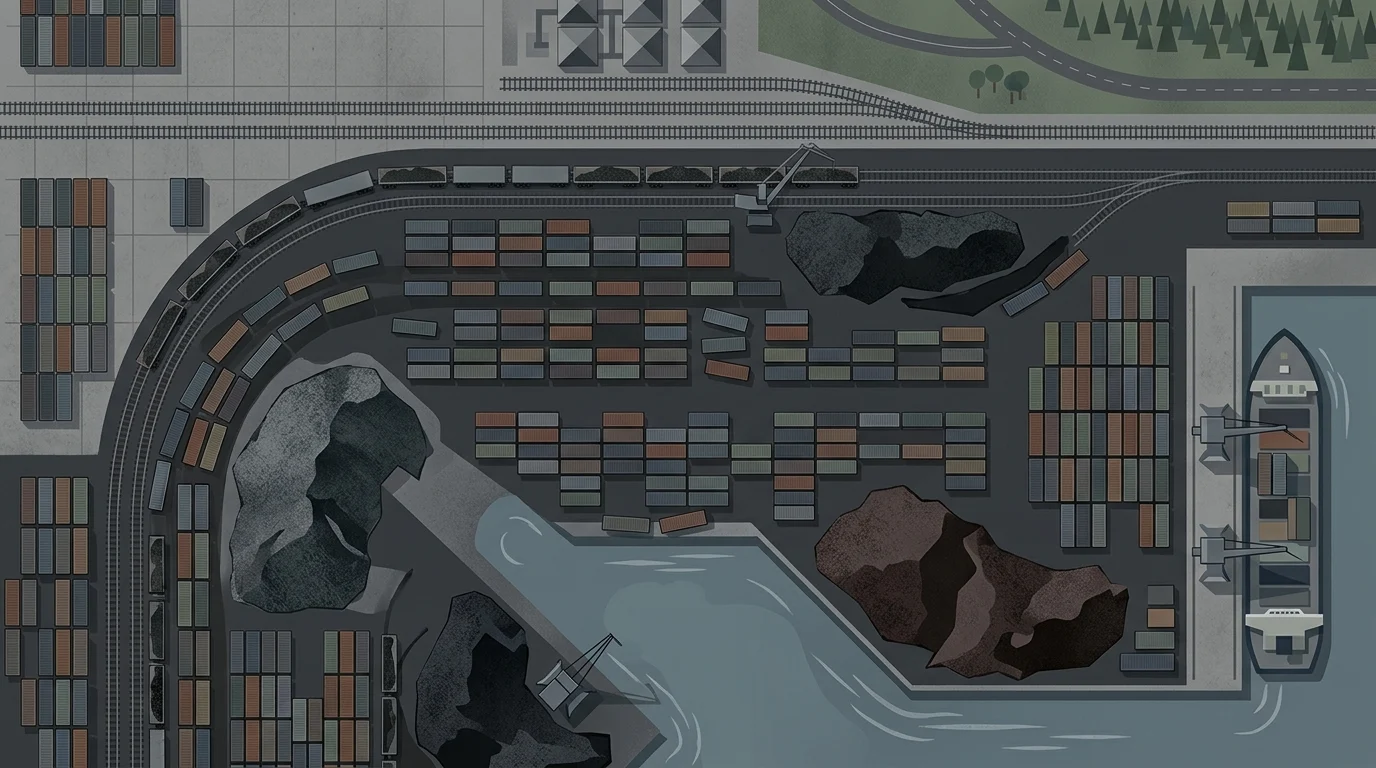
The most concrete result of the meetings was a reciprocal tariff reduction arrangement covering $30 billion worth of non-sensitive goods. To secure these cuts, China committed to importing at least 10 million metric tons of U.S. coal through 2027 and 2028. This “coal-for-tariffs” trade-off was accompanied by a two-month extension of the existing trade truce, which is now set to expire on January 10, 2027.
These measures appear designed to provide a “cooling off” period. However, by pushing the expiration of the broader trade truce into early 2027, both leaders have effectively deferred the hardest decisions on structural trade imbalances. The extension suggests that while neither side is currently seeking an escalation of the trade war, the fundamental disagreements over market access and industrial subsidies remain entrenched.
The AI Dialogue Gap
The summit’s most significant “what wasn’t said” involves the rapidly accelerating competition in artificial intelligence. While the two nations agreed to launch a new “Super Intelligence Dialogue” focused on AI safety and security, the initiative lacks a mandate for immediate restriction. The summit ended without a substantial agreement to pause the AI arms race or establish formal regulations for self-improving artificial intelligence.
This “dialogue-first” approach creates a framework for communication but does little to slow the development of dual-use technologies. The absence of a commitment to limit AI-driven military capabilities suggests that both Washington and Beijing view technological dominance as too critical to be sacrificed for the sake of a diplomatic breakthrough. Analysis of the summit’s communique indicates that the “Super Intelligence Dialogue” may serve more as a mechanism for crisis management than a vehicle for arms control.

Internal Friction and Clarifications
The carefully choreographed optics of the visit faced internal challenges, both in terms of communication and transparency. Following the summit, the U.S. State Department was forced to issue a clarification regarding comments made by Ambassador David Perdue. Perdue had claimed that Trump offered to sell weapons to Xi Jinping—a proposition the State Department denied, noting that U.S. law prohibits such sales.
Domestic legal tensions also spilled into the summit’s logistics. The White House initially barred three news outlets from covering specific segments of the state visit. These organizations were only reinstated after a court order mandated their access, highlighting the domestic political sensitivities surrounding the administration’s handling of the China relationship. Even the revival of “panda diplomacy,” with Zoo Atlanta confirmed as the recipient of two giant pandas, could not entirely mask these procedural and legal frictions.
Ultimately, the 2026 summit succeeded in lowering the immediate temperature of the U.S.-China relationship through high-gloss pageantry and incremental trade concessions. However, by sidestepping the existential risks of the AI arms race and relying on short-term truce extensions, the two leaders have ensured that the core of their rivalry remains as potent as ever, merely postponed until the next inevitable deadline.