The average price of diesel in the UK reached a new all-time high of 199.18p per litre on September 28, 2026, officially surpassing the previous record set during the energy crisis of 2022. This latest spike moves the cost of a litre beyond the 199.09p peak recorded in June 2022.
For the average motorist, the surge means that filling a standard 55-litre family car with diesel now costs approximately £110. The increase also widens the gap between the UK and its neighbors, with domestic diesel prices currently sitting about 12p higher than those in any other European country.
Global Tensions and Supply Disruptions
Industry analysts attribute the sharp rise to a combination of geopolitical conflict and structural supply issues. A significant portion of the recent price movement—estimated at 56.8p per litre—is linked to the ongoing conflict between the United States and Iran, which began in February 2026. This conflict has repeatedly threatened transit through the Strait of Hormuz, a critical bottleneck for global oil shipments.
Market stability is further strained by shifting trade policies in the United States. Reports indicate that President Donald Trump is considering a ban on American diesel exports in an effort to lower domestic fuel costs for U.S. consumers. If implemented, such a ban would further restrict the global supply of refined products, placing additional upward pressure on prices in import-dependent markets like the UK.
Domestic Refining and Policy Response
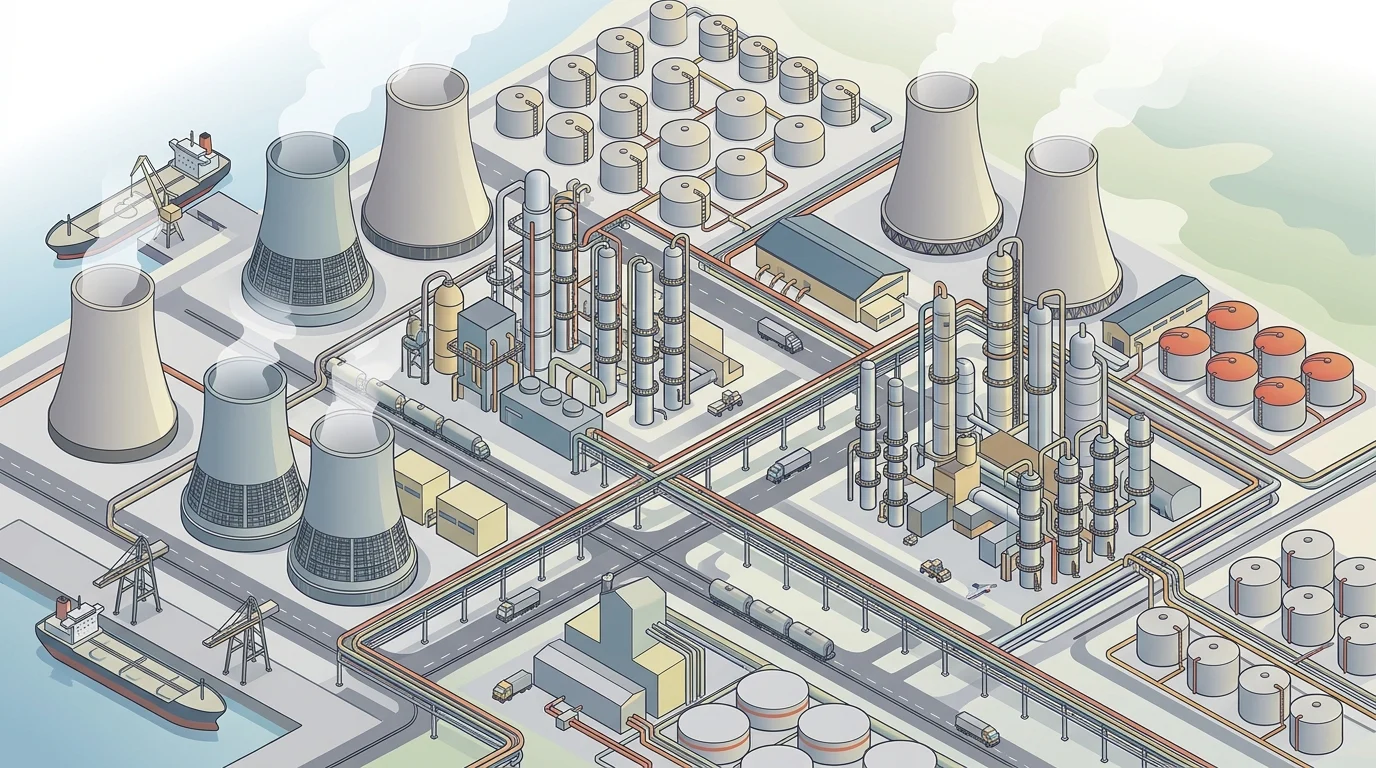
The UK’s vulnerability to global price swings has been exacerbated by a decline in its own refining infrastructure. Over the last year, the number of operational oil refineries in the UK has dropped from six to four. This reduction in local capacity has made the country more reliant on imported finished fuel, often at higher costs than crude oil processing.
Despite growing pressure from haulage groups and consumer advocates for an immediate fuel duty cut, the government has signaled that relief is not imminent. Prime Minister Andy Burnham addressed the record-breaking prices on Monday, stating that motorists will have to “wait for the Budget” on October 28 for any official news regarding potential tax adjustments.
While diesel has hit new heights, petrol prices remain below their historical peaks, though they continue to follow a general upward trend driven by the same global crude oil volatility. For now, logistics firms and diesel car owners are facing the highest operational costs in the history of UK motoring as they await the late October fiscal statement.