Valve’s experimental hero shooter Deadlock reached its highest level of engagement to date following the release of a massive content overhaul. On September 29, 2026, concurrent player counts on Steam climbed to an all-time peak of 228,086, coinciding with the launch of the “City Never Sleeps” update. The milestone is particularly notable as the game remains officially unannounced and continues to operate in a closed, invite-only playtest phase.
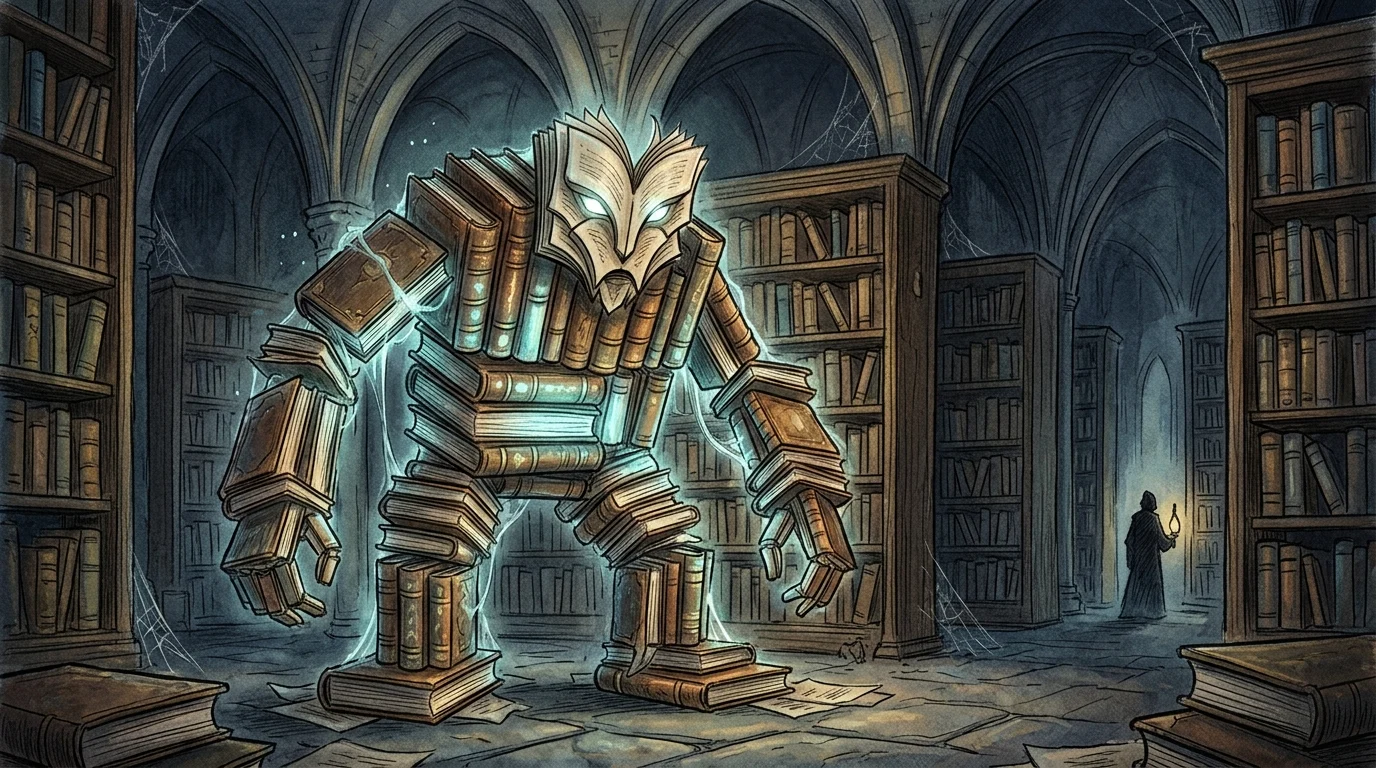
The update fundamentally transforms the game’s primary map, replacing generic environments with four distinct themed districts. Players now navigate through a bright Chinatown city center, a theater district populated by steampunk automatons, a haunted university, and a shadowy stock exchange. This visual overhaul also extends to the game’s neutral creeps, which have been renamed “Haunts.” These NPCs now feature district-specific skins, ranging from sentient stacks of books in the university area to slimy trashbag monsters in more industrial zones.
The Hero Vote and New Roster Additions
The core of the “City Never Sleeps” expansion is the introduction of six new characters, including a highly anticipated hero known as the Rat King. Rather than releasing the entire roster at once, Valve has implemented a new “Hero Vote” system that gives the community direct influence over the development pipeline.
Starting with the update’s launch, players can earn votes by completing matches. To encourage competitive play, match victories grant double voting power. This system allows the player base to determine the specific release order of the six revealed heroes. According to PC Gamer, the first hero selected by the community vote is scheduled to become playable on October 2, 2026.
Mechanical Depth
The update arrives alongside a general shift toward a more distinct “spooky” aesthetic that differentiates the title from Valve’s other major properties like Dota 2 or Team Fortress 2.

Despite the influx of content and the record-breaking player numbers, Valve has maintained its restrictive access model. New players can still only gain entry via direct invites from existing participants. This “quiet” growth strategy has not hindered the game’s momentum, as Deadlock continues to see consistent growth in its concurrent user base with each major mechanical iteration.