Market expectations for a Federal Reserve interest rate hike in October have collapsed following a significant miss in employment data and a series of cautious signals from central bank leadership. As of October 3, 2026, the implied probability of a rate increase at the upcoming October 27–28 meeting has fallen to approximately 21%, according to CME FedWatch data, a sharp decline from the 70% level recorded earlier in the week.
The primary catalyst for this shift was the September employment report, which showed the U.S. economy added only 29,000 jobs. This figure fell well short of economist forecasts, which had anticipated gains between 81,000 and 90,000. According to the Bureau of Labor Statistics, the national unemployment rate also edged upward to 4.2% in September, compared to 4.1% in August.
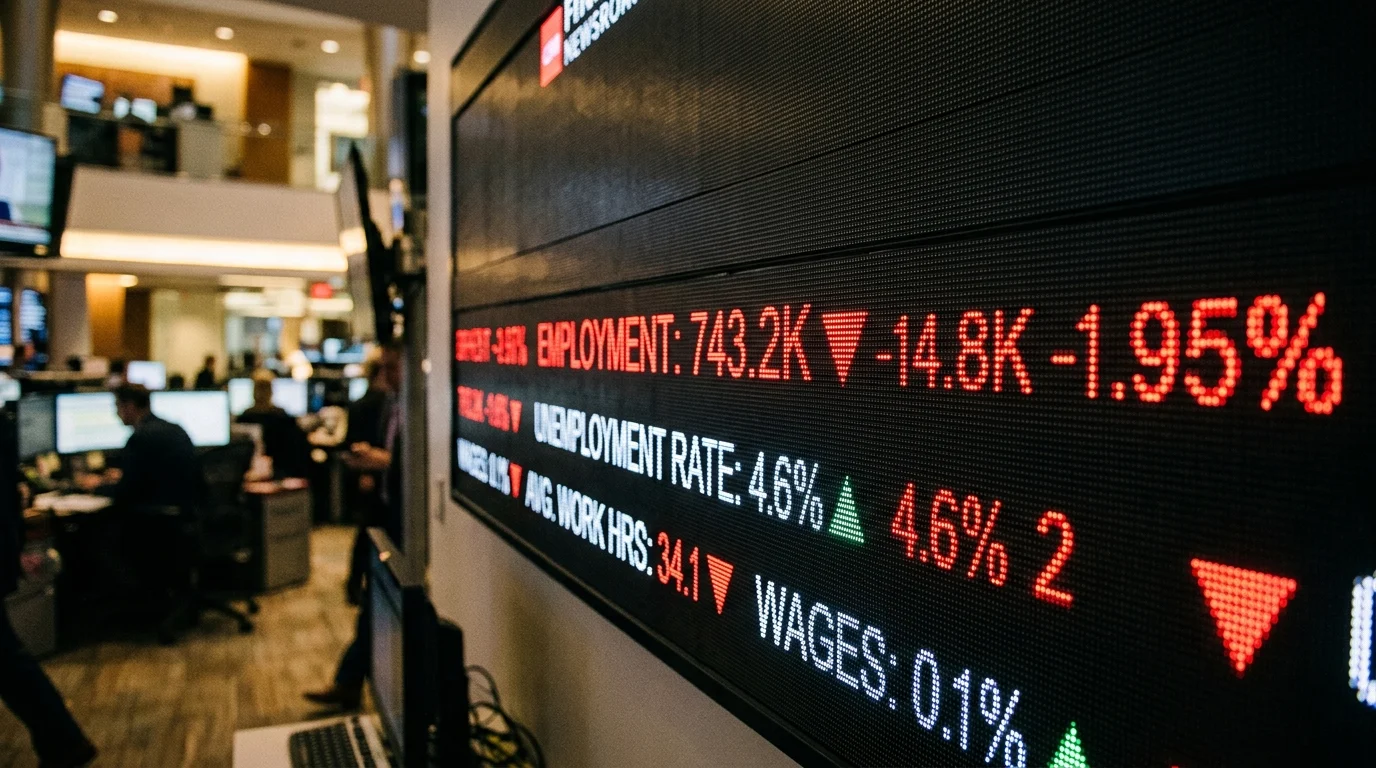
This repricing follows the Federal Reserve’s decision on September 16, 2026, to raise the federal funds rate by 25 basis points—the first such increase in three years—bringing the current target range to 3.75% to 4.00%.
Strategic Signals and Inflation Cooling
The sudden abandonment of October hike bets was also preceded by rhetoric from key Federal Reserve officials suggesting a preference for observation over immediate action. On September 29, New York Fed President John Williams stated there was “no need for urgency” to change monetary policy settings at the current juncture. This sentiment was echoed on October 1 by Vice Chair Philip Jefferson, who signaled that policymakers require “more time” to assess incoming economic data before committing to further adjustments.
In addition to the labor slowdown, inflationary pressures have shown signs of moderating more quickly than anticipated. August core Personal Consumption Expenditures (PCE), the Fed’s preferred inflation gauge, rose 3.0% year-over-year. This reading was notably lower than the 3.3% consensus forecast, providing additional room for the FOMC to hold rates steady during the October session.

While the October meeting is now viewed as a likely pause, the broader tightening cycle is not considered finished. Market participants have effectively shifted their expectations to the end of the year, with pricing now reflecting a nearly 90% probability of a rate hike at the December 9, 2026 meeting. This suggests that while the “October Fall” in expectations represents a delay in the policy path, it does not yet signal a definitive pivot away from the Fed’s restrictive stance.