Since the launch of Fire Emblem: Fortune’s Weave on September 17, 2026, for the Nintendo Switch 2, the community has focused its collective attention on a singular enigma: the true identity of the avatar protagonist, Eshmel. While the game introduces Eshmel as a customizable, disembodied spirit inhabiting a mechanical body, a surge of forensic gameplay analysis suggests a much darker, more specific lineage tied to the legendary figure Solel.
The investigation, spearheaded by players deconstructing frame data and asset files, points to Eshmel being the reconstructed form of Solel. This theory is primarily supported by identical spear animations shared between the two characters. Fans have noted that Eshmel’s unique combat maneuvers—specifically the frame-perfect flourishes during critical hits—mirror those of Solel with 1:1 accuracy. Furthermore, Eshmel’s primary weapon, “The Nameless,” has been identified as visually and mechanically identical to Solel’s exclusive “Supreme Arc” spear, despite the game’s attempt to frame it as a new relic.
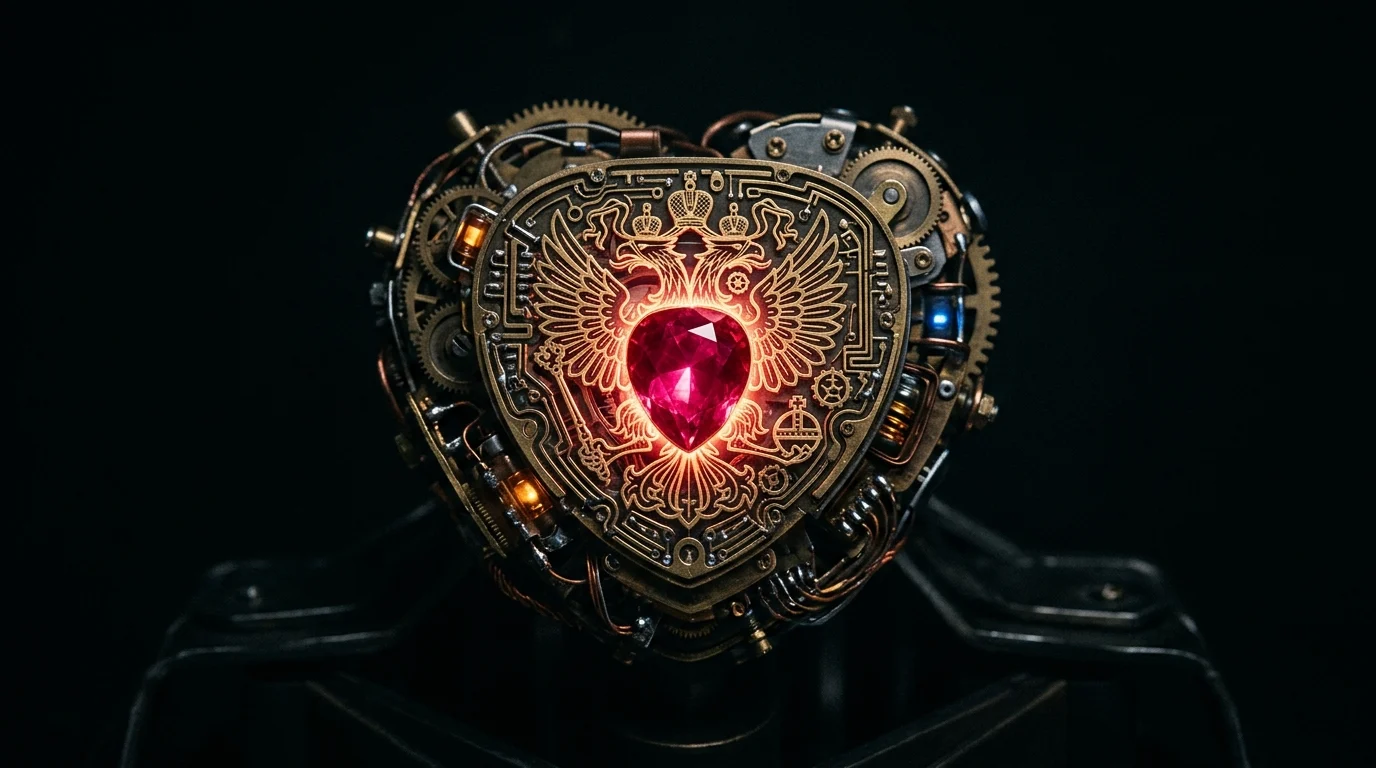
Narrative clues provided by the game’s “Flame Lords”—Cai, Leda, Theodora, and Dietrich—further fuel the connection. In the second half of the story, it is revealed that Solel was killed off-screen, and his heart was converted into a Crest Stone. This “Heart Core” is the exact power source used to animate Eshmel’s body, allowing the protagonist to utilize Celestial Wells for high-level “Blaze Arts.” This mechanical link explains why Eshmel begins the game at Level 40, an unusually high starting point that suggests a character with prior, elite-level combat experience.
The “Heart Core” lore also bridges the gap between the traditional fantasy elements of the series and the opening of Fortune’s Weave. According to community reports, certain critical hit lines voiced by Eshmel in high-level encounters are distorted echoes of dialogue originally assigned to Solel, suggesting that fragments of the legendary warrior’s consciousness remain within the mechanical vessel.
This entry marks a shift in production for the franchise, as Intelligent Systems handled development independently without the involvement of Koei Tecmo, who previously co-developed Three Houses. This internal development may explain the deep mechanical callbacks to Nabatean lore and the complex, technical ways the game hides its protagonist’s history. While some fans argue Eshmel could be a distinct entity predating Solel and associated directly with Sothis, the overwhelming physical evidence in the animation data currently favors the Solel reconstruction theory.
Whether this revelation will impact the game’s multiple branching routes remains to be seen.