Nearly a decade after its theatrical debut, Blade Runner 2049 has claimed the top spot on global streaming charts, reaching #1 in early September 2026. The film, which serves as a sequel to Ridley Scott’s 1982 classic, is currently seeing a significant resurgence on platforms including Paramount+ and Max, marking a definitive “redemption” for a project that was once labeled a box office disappointment.
The streaming victory for the franchise provides a stark contrast to the recent theatrical performance of Scott’s latest directorial effort. The sci-fi drama The Dog Stars has struggled to find an audience, grossing approximately $39 million globally. With a production budget estimated between $70 million and $110 million, the film’s early performance mirrors the initial financial difficulties often associated with Scott’s high-concept science fiction projects.
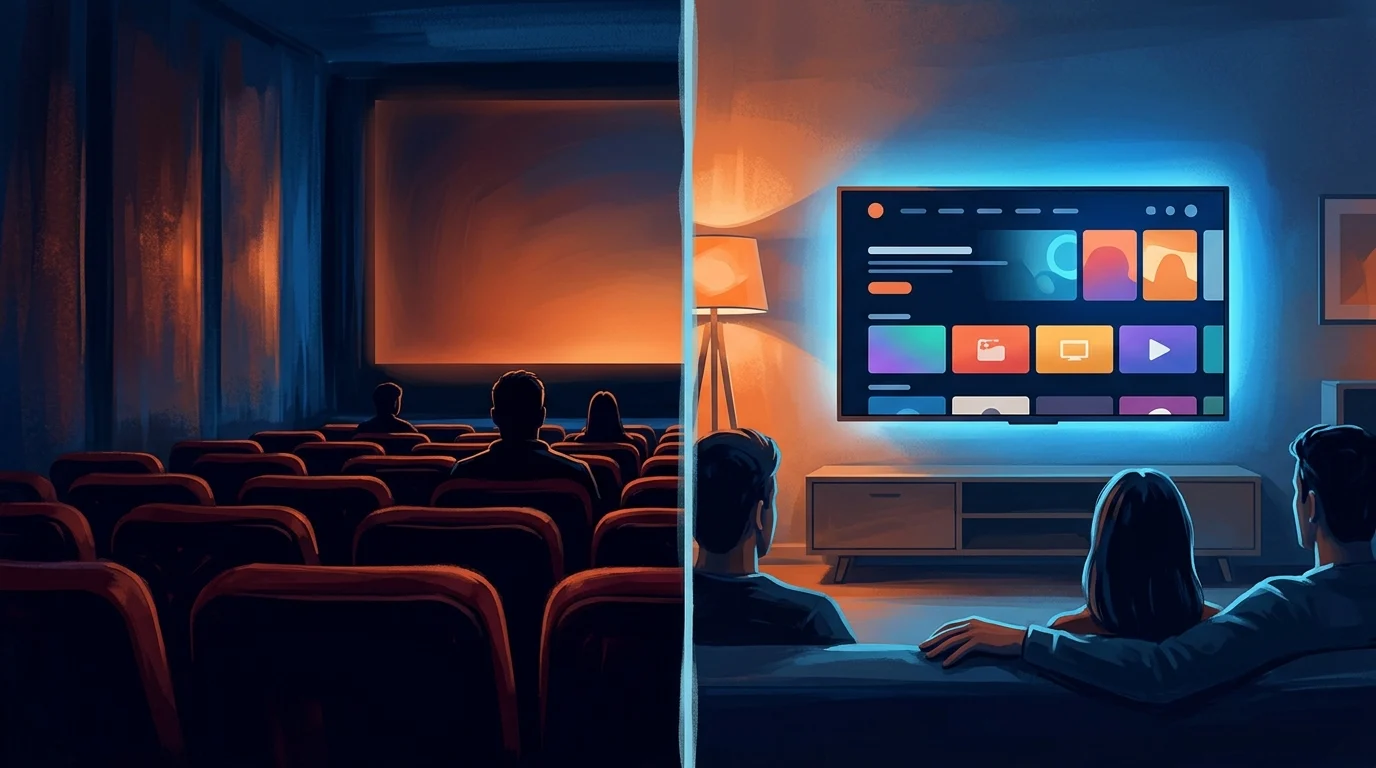
The current success of Blade Runner 2049 highlights the long-tail value of the property. Directed by Denis Villeneuve with Scott serving as executive producer, the 2017 sequel originally grossed between $259 million and $276 million against a $150 million budget—a result that fell short of industry expectations at the time. Its current popularity is likely bolstered by the anticipation surrounding the upcoming Prime Video series Blade Runner 2099, which continues the narrative legacy Scott began four decades ago.
While The Dog Stars faces an uphill battle in theaters, Scott is already moving forward with his next major production. The veteran filmmaker is set to direct a remake of Treasure Island, featuring Hugh Jackman in the iconic role of Long John Silver. Production reports suggest Scott is also in the process of rounding out the cast, with Hugh Grant and Owen Cooper—the Emmy-winning star of the series Adolescence—being eyed for key roles.
This pattern of immediate theatrical struggle followed by long-term streaming dominance has become a hallmark of Scott’s produced works. As Blade Runner 2049 maintains its position in the domestic Top 10, it reinforces the trend of “near-perfect” sci-fi films finding their true commercial scale years after they leave the big screen.