Samsung Electronics and five of its affiliates have committed a combined $1 billion to Helix Digital Infrastructure, an AI-focused platform backed by KKR and Nvidia. The investment, announced Tuesday, marks a significant expansion of Samsung’s role in the physical architecture required to power and house artificial intelligence systems.
Under the terms of the agreement, Samsung Electronics will provide $500 million of the total capital, while the remaining $500 million will be contributed by five group affiliates: Samsung C&T, Samsung SDS, Samsung SDI, Samsung Life Insurance, and Samsung Fire & Marine Insurance. Following the announcement, shares of Samsung Electronics rose 2.13% in morning trading.
Helix was launched by KKR in June 2026 to address global shortages in hyperscale data centers, power generation, grid transmission, and fiber connectivity. The platform is led by co-founder and CEO Adam Selipsky, who previously served as the CEO of Amazon Web Services (AWS). With the addition of Samsung’s capital, total commitments for the Helix platform now exceed $11 billion. Existing investors include Nvidia, the Kuwait Investment Authority (KIA), and Vistra.
Vertical Integration and Infrastructure Bottlenecks
The investment signals a shift for Samsung from being a primary supplier of HBM (high-bandwidth memory) and semiconductors toward becoming an integrated player in the data center ecosystem. By involving its industrial affiliates, Samsung is positioning itself to address critical bottlenecks in AI expansion, specifically regarding power consumption and thermal management.
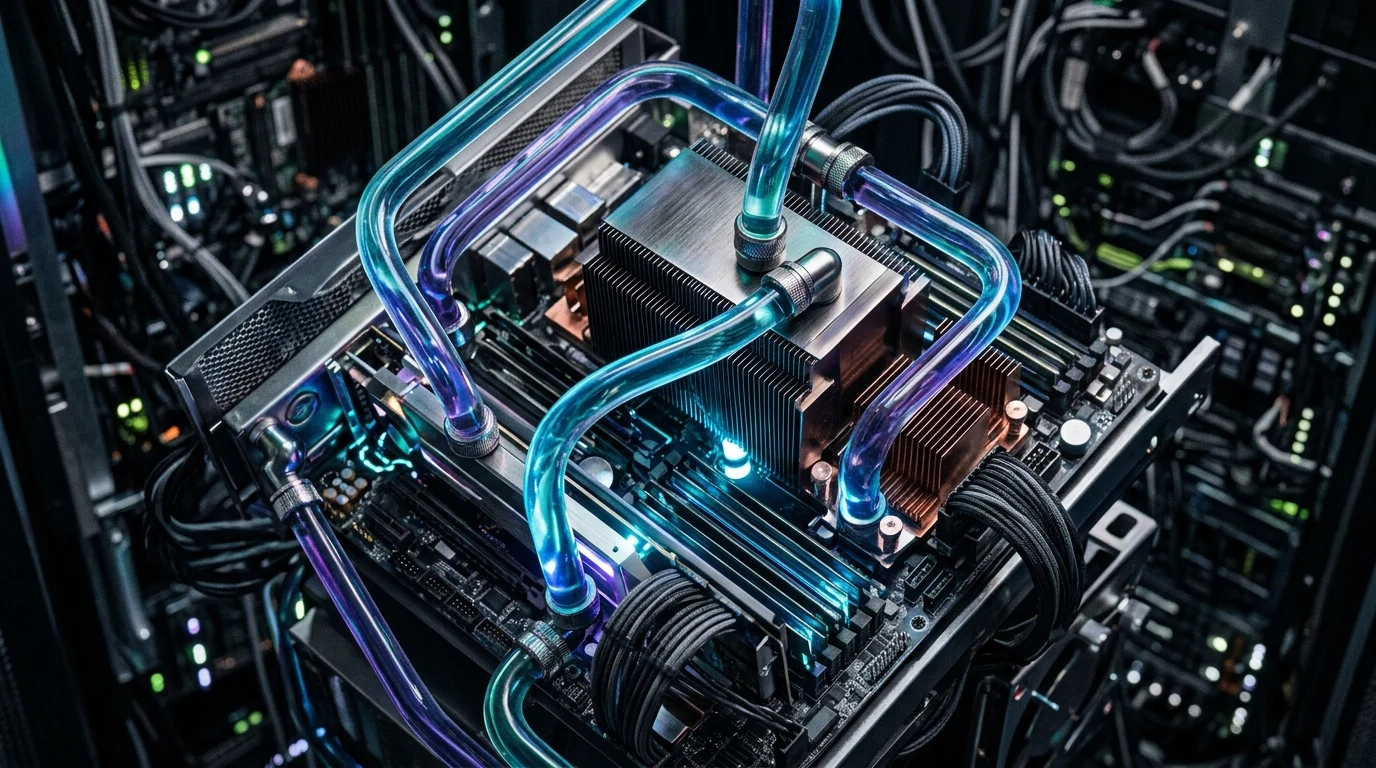
The participation of Samsung C&T and Samsung SDI suggests a focus on the construction and energy storage requirements of modern facilities. Samsung SDI specializes in battery technology essential for uninterruptible power supplies (UPS), while Samsung C&T provides engineering and construction expertise. Furthermore, Samsung is expected to leverage its 2025 acquisition of FläktGroup, a cooling specialist, to provide advanced liquid cooling and HVAC systems required for the high-density heat loads of Nvidia-powered data centers.
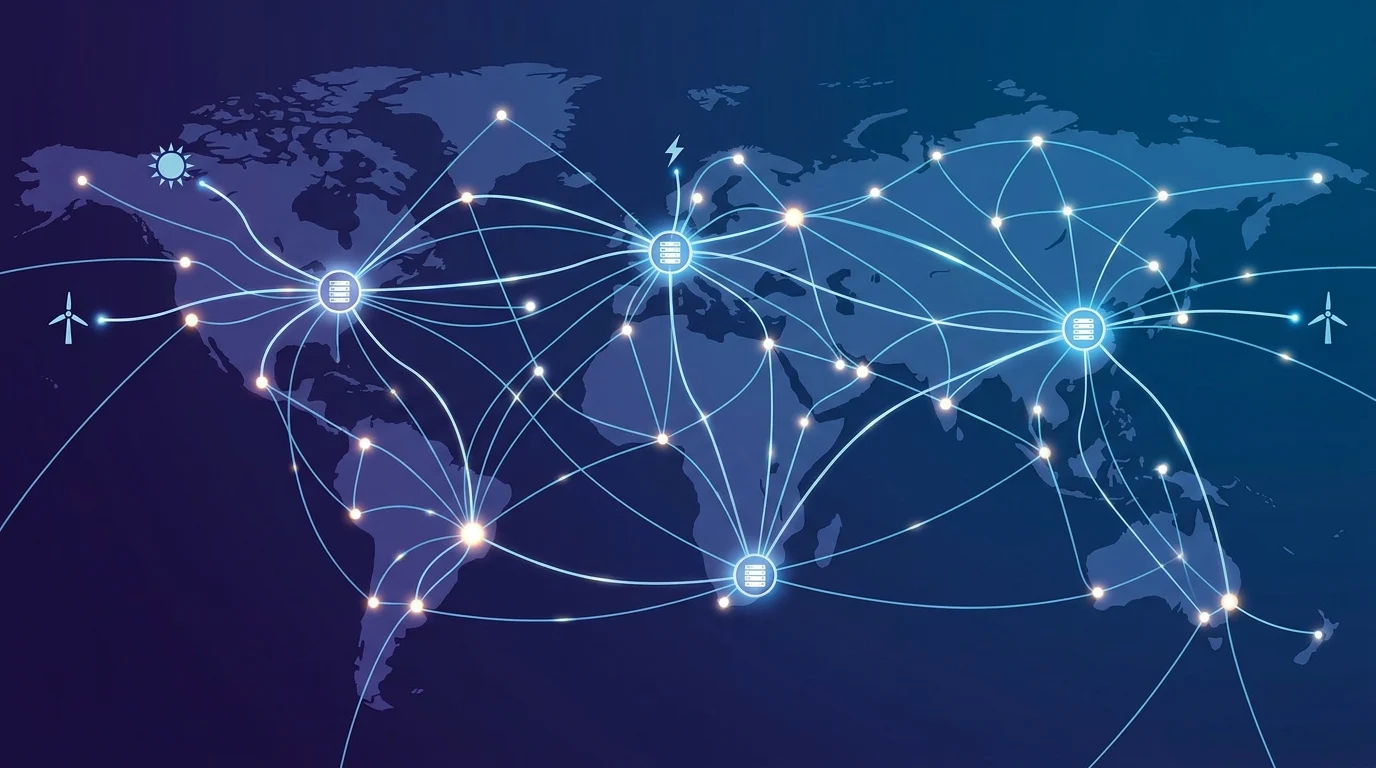
Helix intends to prioritize hyperscale buildouts in regions facing the most acute power and space constraints. The platform’s strategy involves not only building the physical shells of data centers but also securing the necessary grid transmission infrastructure to ensure reliable power delivery for AI workloads.
According to a statement from Helix, the partnership with Samsung provides the platform with access to a broad suite of industrial technologies. Beyond memory chips, Samsung SDS is expected to provide IT services and management software, while the insurance arms of the conglomerate offer the massive capital pools necessary for long-term infrastructure projects.
The move comes as global technology firms face increasing pressure to secure the physical real estate and energy resources needed to train and deploy large language models. By joining a consortium that includes Nvidia and KKR, Samsung secures a strategic seat at the table as Helix moves to build out the next generation of global AI capacity.