Catania-Fontanarossa Airport in Sicily has implemented flight restrictions following a new phase of volcanic activity from Mount Etna. As of the morning of September 29, 2026, the airport remains operational but is limited to a capacity of five arriving flights per hour due to ash clouds and fallout in the surrounding airspace.
The National Institute of Geophysics and Volcanology (INGV) reported that activity at the Voragine crater intensified on September 28, producing a sustained ash column. This crater has been the primary source of volcanic emissions throughout the 2026 season, leading to several previous disruptions during the peak summer months of July and August.
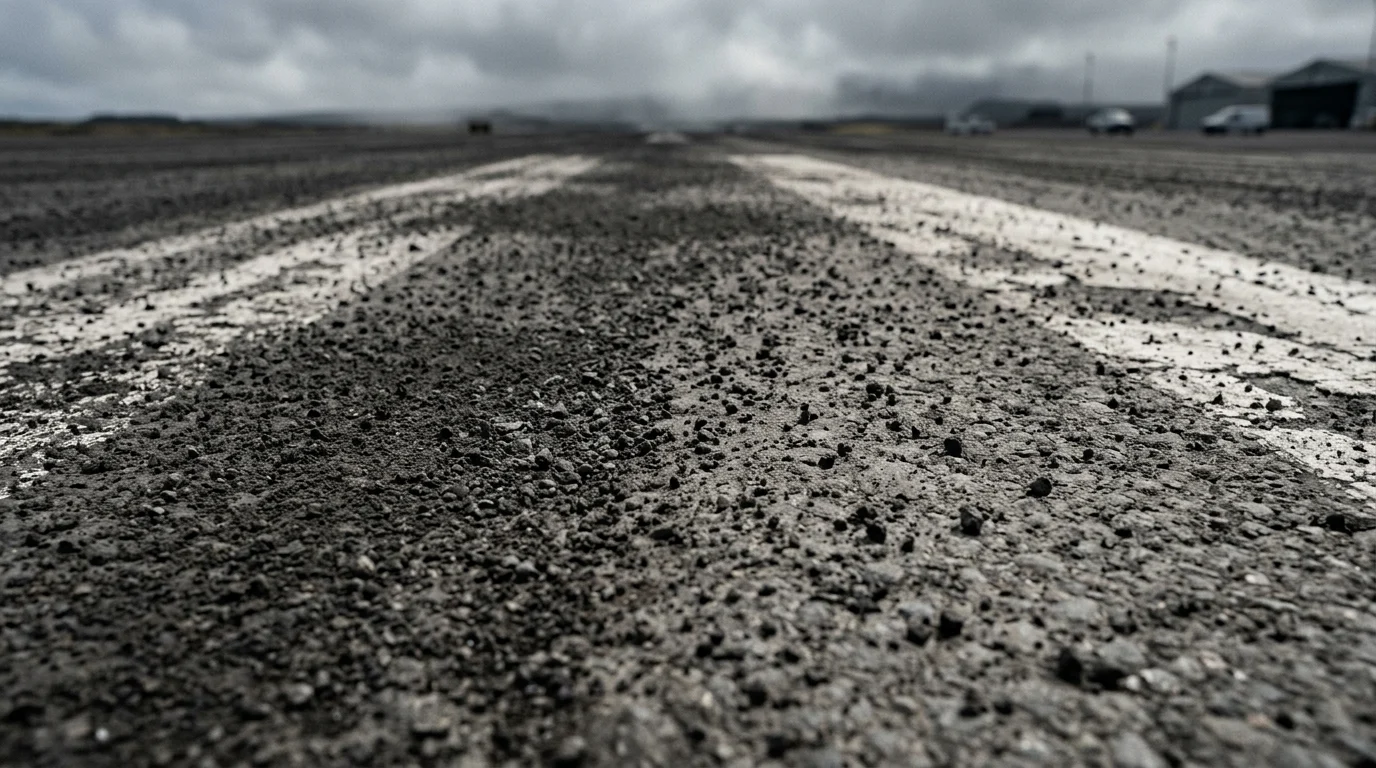
Società Aeroporto Catania (SAC), the airport’s management company, confirmed that while the runway is currently open, the reduction in arrival capacity is necessary to manage safety during the ash fallout. Departures are also experiencing significant delays as ground crews and air traffic control navigate the changing conditions. Travelers are advised to check their flight status directly with airlines before traveling to the terminal.
Impact of the Voragine Crater
The current disruption is tied to the heightened tremors recorded by INGV sensors within the Voragine crater. Mount Etna, which holds the title of Europe’s most active volcano, frequently experiences paroxysms that can send volcanic material several kilometers into the atmosphere. When wind patterns carry this ash toward the south and southeast, it directly enters the approach paths for Catania Airport.
Unlike a total shutdown, the “restricted capacity” model allows some traffic to continue, though it often results in diversions to other Sicilian hubs such as Comiso or Palermo if the backlog of arriving aircraft becomes too great. Ground handling teams are also tasked with monitoring ash accumulation on runways and taxiways, which can cause traction issues for aircraft and damage to jet engines if not properly cleared.
Local authorities have not yet provided a definitive timeline for the resumption of full operations, as the duration of the current eruptive phase depends on the internal volcanic pressure and tremor levels monitored by geologists. This latest event marks at least the third major disruption to Sicilian air travel since the beginning of the summer, occurring during a busy shoulder season for regional tourism.