Prime Minister Andy Burnham is set to unveil “Great British Grid” (GB Grid), a new state-owned body designed to invest in and accelerate the expansion of the UK’s electricity network. Speaking on Tuesday at his first Labour Party conference since becoming Prime Minister earlier this month, Burnham is expected to position the entity as a central pillar of a broader strategy to increase state control over essential infrastructure.
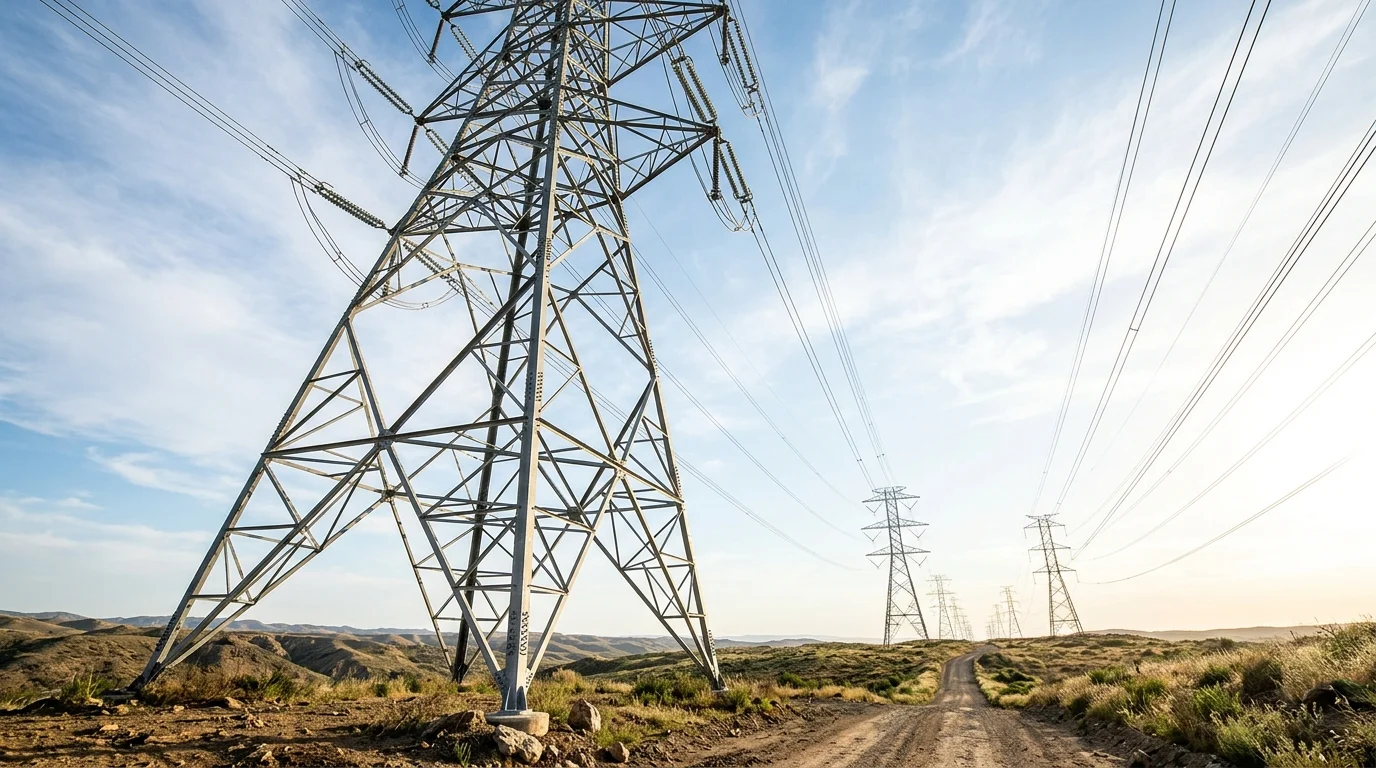
GB Grid will operate as a subsidiary under the existing Great British Energy umbrella. The government intends to fund the new body through the established £4 billion investment budget allocated to Great British Energy. The primary objective of the initiative is to bring UK energy costs in line with European averages within the next 10 years by addressing structural bottlenecks in power transmission.
Competition with Private Networks
The creation of GB Grid marks the first time a state-owned entity has entered the electricity network sector since the industry was privatized under Margaret Thatcher. The body will compete directly with private-sector transmission companies, such as National Grid, to build out the infrastructure required for a modern power system.
By introducing a public competitor, the government aims to reduce the years-long waiting lists currently facing renewable energy projects and industrial sites seeking connections. This move is part of what the Prime Minister has termed a “rewired state” strategy, which includes the establishment of “No. 10 North” and an Office of the Prime Minister and Cabinet to decentralize executive operations.
Business Connectivity and ‘Self-Build’ Rights
A significant technical shift under the new plan involves the introduction of “self-build” connection rights for businesses. This policy will allow commercial entities to bypass traditional network operator delays by commissioning their own connection infrastructure. GB Grid will offer co-investment options to support these private projects, ensuring that the state retains a stake in the expanded network.
Chancellor of the Exchequer John Healey is expected to oversee the fiscal integration of GB Grid within the broader industrial strategy. The administration’s focus on the grid follows a month of rapid leadership transition, during which Burnham replaced Keir Starmer as Prime Minister and moved to implement policies aimed at rolling back several decades of private-sector dominance in energy, water, and housing.
The announcement signals a departure from previous energy strategies that focused primarily on power generation. By prioritizing the physical grid, the government is betting that state-led infrastructure investment can lower long-term bills and provide the stability required for domestic business growth.