U.S. and Iranian officials held separate, indirect negotiations through Qatari mediators in New York on September 28, 2026, as Middle Eastern energy markets reached a significant “war-time high.” Despite the ongoing conflict that began on February 28, 2026, crude exports from the region rebounded to 6 million barrels per day this month, matching averages seen before the outbreak of hostilities.
The diplomatic sessions involve Qatari intermediaries shuttling between the delegations, with Iranian Foreign Minister Abbas Araghchi remaining in New York to await a formal American response. The core of the current Iranian proposal involves a seven-day window to reopen the Strait of Hormuz to international shipping in exchange for the lifting of the U.S. naval blockade and the unfreezing of sanctioned assets. While President Trump formally rejected this proposal on September 26, he later indicated to reporters that he expects further negotiations to proceed this week.
Economic Realism Amid Conflict
The surge in oil exports to 6 million barrels per day marks an 80% increase from August levels, a recovery driven largely by Saudi Arabian production. This stabilization of supply has occurred despite the continued closure of traditional shipping routes and the collapse of the Islamabad Memorandum of Understanding on June 17, 2026, which failed to secure a lasting maritime truce earlier this summer.
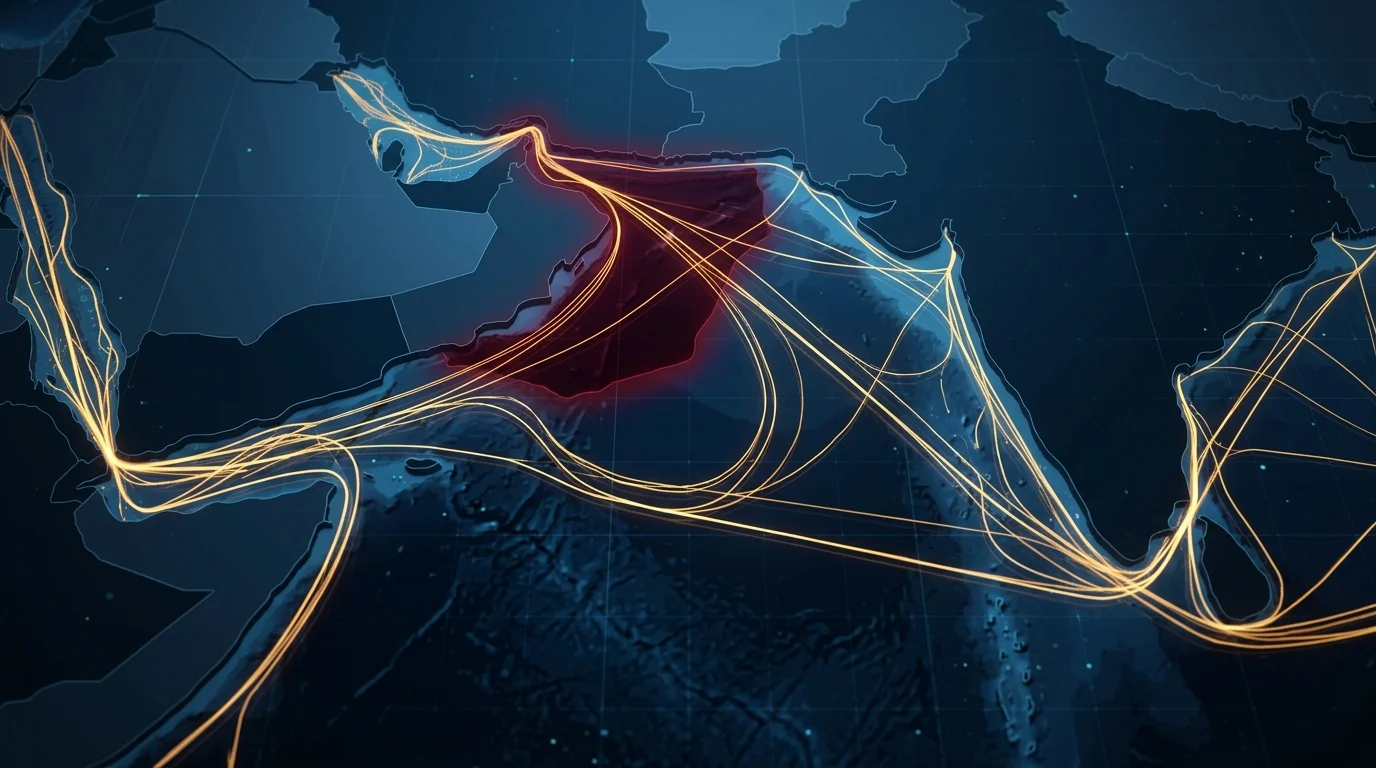
Market analysts attribute this rebound to the establishment of the “Oman Corridor,” a U.S. military-protected shipping lane that follows the Omani coast. This corridor allows Gulf states to bypass the most contested waters of the Strait of Hormuz, where Iranian naval threats remain high. As of September 28, Brent crude futures were trading near $105.64, reflecting a market that is balancing the reality of high export volumes against the persistent risk of diplomatic failure.
The current impasse in New York highlights a growing disconnect between the rhetoric of the combatants and the logistical necessity of global energy flow. While the Trump administration has signaled a hardline stance on the blockade, the success of the Oman Corridor has provided a temporary economic buffer, reducing the immediate pressure on global prices even as the central premise of a ceasefire remains unresolved.
Stalled Terms and Strategic Interests
The failure of the previous Islamabad agreement, which collapsed within weeks of its signing in June, continues to cast a shadow over the current talks. U.S. negotiators remain skeptical of the proposed seven-day Hormuz reopening, viewing it as a potential tactical pause that would allow Iran to resupply domestic reserves while gaining significant sanctions relief.
Internal Iranian politics also appear to be a factor in the New York talks, with Araghchi representing a leadership structure under pressure from the naval blockade. The Biden-era unfreezing of assets, which Iran is seeking to replicate or expand upon in these talks, remains a non-starter for the current U.S. administration unless more permanent concessions regarding regional maritime security are established.