Evan Gershkovich, the journalist who spent 16 months in Russian custody, has detailed the moment he realized his arrest in a Yekaterinburg restaurant was a pre-planned state kidnapping. In his memoir, This Cursed Beautiful Land: A Russian Story, released on September 29, 2026, Gershkovich describes being “lured into a trap” that transformed him into a high-value bargaining chip for the Kremlin.
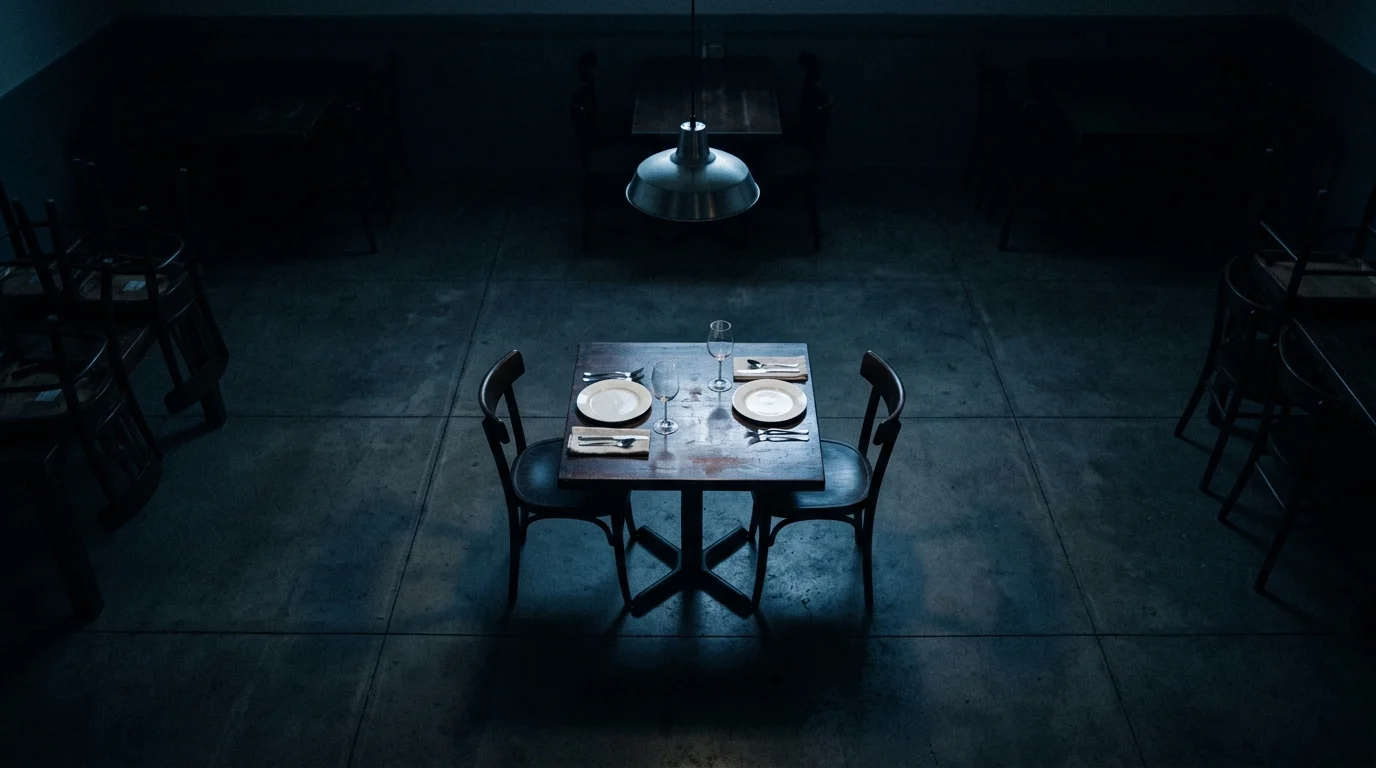
The arrest occurred while Gershkovich was on a reporting assignment in the Ural Mountains city. According to his account, undercover Federal Security Service (FSB) agents approached him at his table, using the scripted phrase: “I think we booked that table.” The encounter marked the beginning of a detention that lasted until August 1, 2024, when he was eventually released as part of a complex, multi-country prisoner exchange.
Gershkovich writes that he quickly deduced he was a “pawn in a greater game” because of the specific way his captors treated him. Unlike many other detainees in the Russian penal system, he was not subjected to physical torture or traditional interrogation aimed at extracting information. He interpreted this lack of typical brutality as a sign that the charges against him were a predetermined formality intended to facilitate a future trade, rather than a genuine criminal investigation.
The Lefortovo Experience and Hostage Logic
The memoir provides a granular look at Gershkovich’s 16 months in Moscow’s Lefortovo prison, a facility notorious for its isolation. He notes that the Russian state manages high-value “hostage” assets with a different level of care than other political prisoners. He specifically contrasts his survival with the fate of Ukrainian journalist Victoria Roshchyna, who died in Russian custody, highlighting the selective preservation of those the Kremlin deems useful for geopolitical leverage.
The journalist’s connection to Russia is deeply personal; he is the son of Soviet Jewish émigrés who fled the USSR in the 1970s. This background informed his perspective on the country, even as he was processed through a legal system he describes as a theatrical extension of state policy. While the Russian government officially accused him of espionage—a charge he and his employer consistently denied—Gershkovich maintains that his presence in Yekaterinburg was strictly for journalistic purposes.
Since his release in the 2024 swap, Gershkovich has established a residence in Berlin. The memoir concludes with an honest assessment of the psychological toll of his detention. He reports undergoing therapy for post-traumatic stress disorder (PTSD), chronic insomnia, and recurring panic attacks, conditions that persisted long after he left Russian airspace. Despite his release, he frames his experience as a cautionary tale of how modern states utilize individual citizens as currency in international disputes.